





















Yutong Launches 2026 "Net Zero Forest" Program: Bringing 44,218 Trees to Gansu in the First Phase


In April 2026, Yutong officially launched its 2026 tree-planting initiative under “Net Zero Forest” program, starting from Minqin, Gansu Province and kicking off this year’s global afforestation campaign. In 2026, Yutong plans to plant 49,518 new trees worldwide, including 44,218 trees in Minqin, Gansu. Through this large-scale, standardized initiative, Yutong continues to fulfill its long-term green commitment of “One Bus, One Tree.”
83,700 Trees Planted Worldwide, Expanding the Ecological Footprint
By the end of 2025, Yutong’s “Net Zero Forest” program had expanded to regions including Gansu Province in China, the United Kingdom, Mexico, and Chile, with a cumulative total of 83,700 trees planted worldwide. The operational emission reduction of new energy vehicles and the continuous carbon sink of forest ecology are forming an effective synergistic value creation.
Minqin in Gansu Province, surrounded by two major deserts to its east, west and north, stands at China’s forefront of desertification monitoring and prevention. In 2026, Yutong returned to Minqin. While launching its annual tree-planting initiative, the brand witnessed firsthand the remarkable desert-control achievements made on this land.

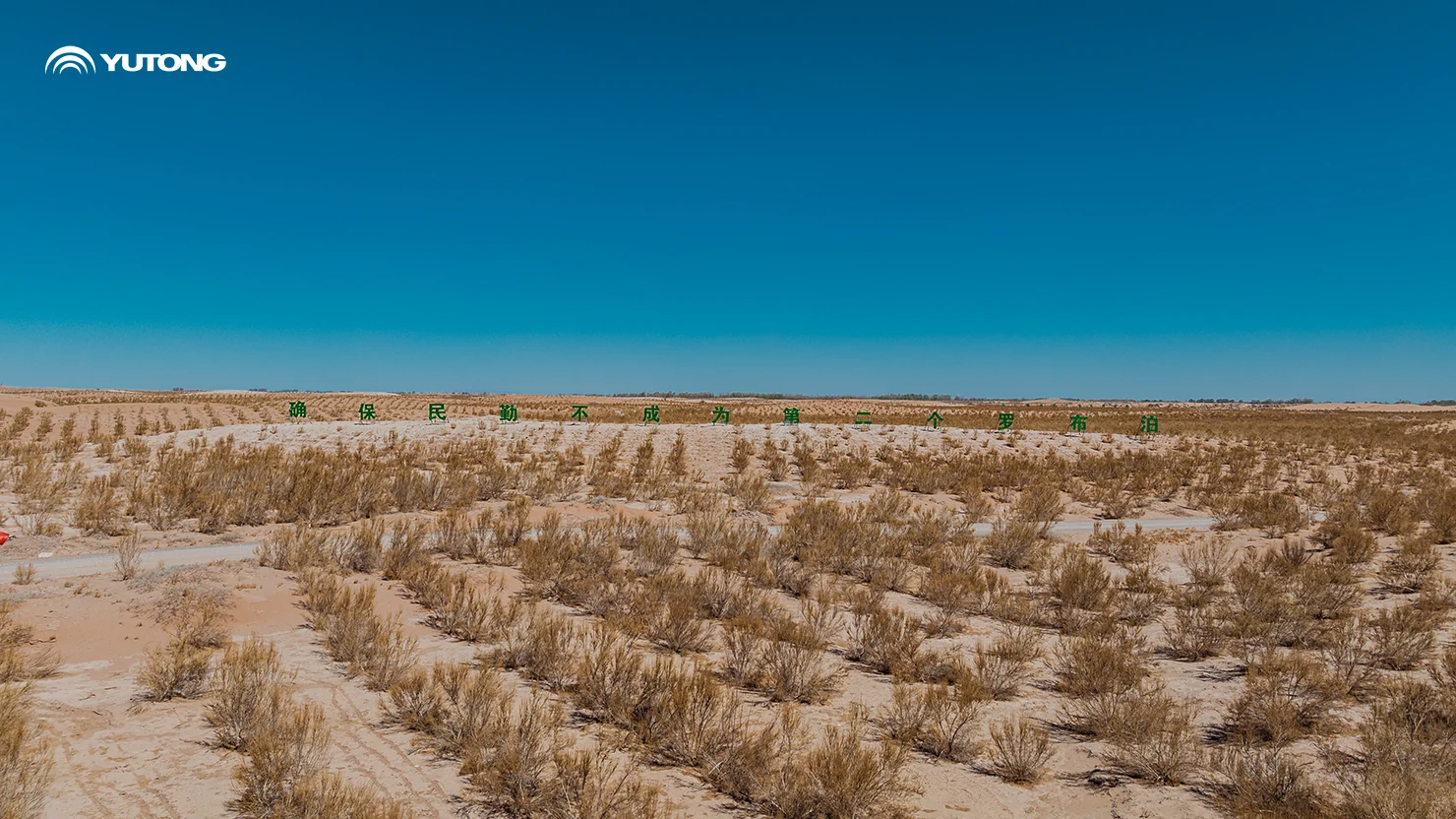
By the end of 2025, Yutong had planted a total of 66,900 Haloxylon (saxaul) trees in Minqin, Gansu for the “Net Zero Forest” Program, with a survival rate as high as 90%. Growing approximately 30 centimetres per year, these trees have developed from young saplings into lush, mature stands, stabilizing sand over a cumulative area of 700,000 square metres. In 2026, Yutong plans to plant an additional 44,218 Haloxylon trees in Minqin. Upon completion, the total number of trees planted locally will exceed 110,000, covering nearly 1,000 mu of sandy land.
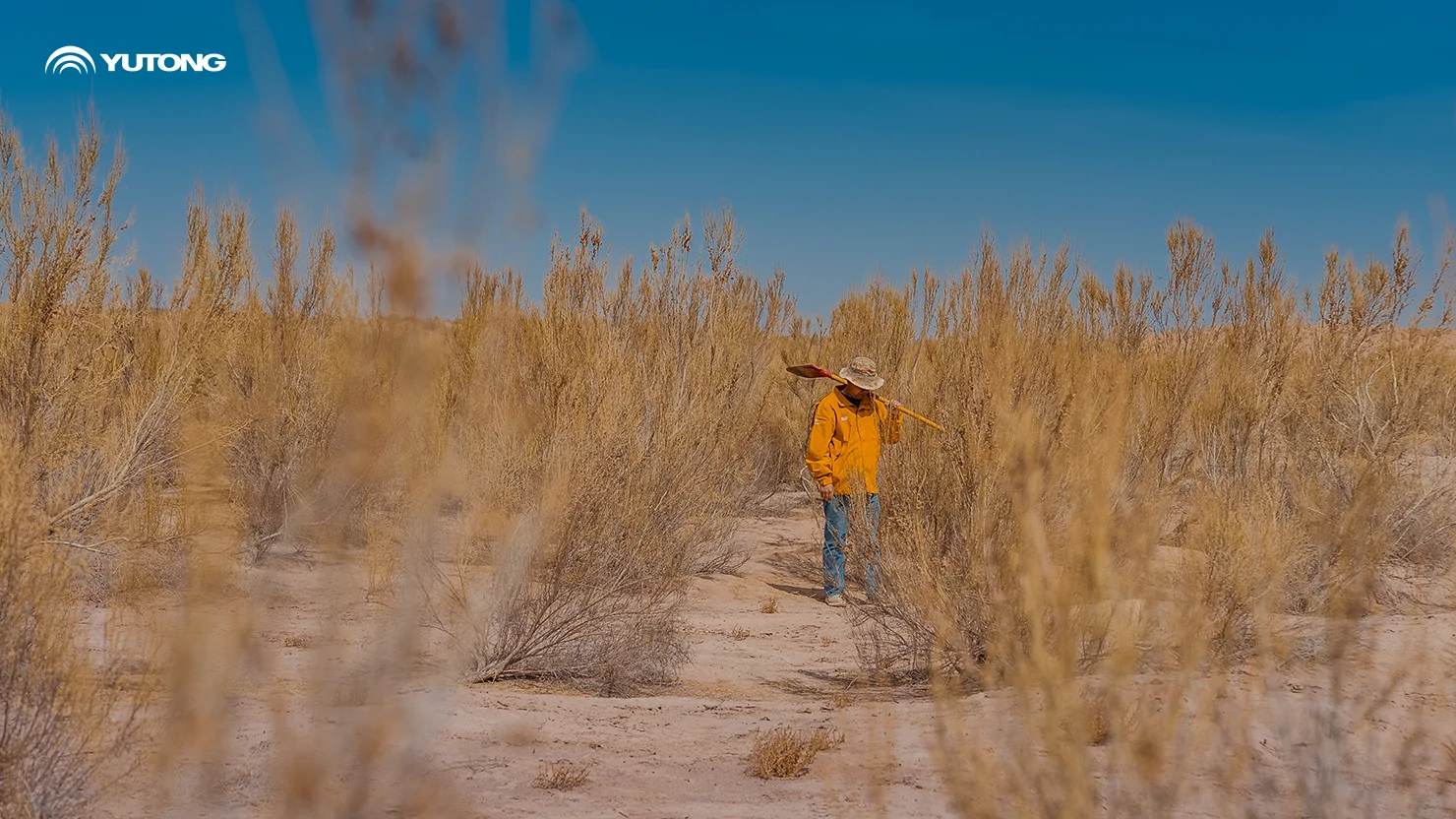
Scientific Planting Adapted to Local Conditions for Global Ecological
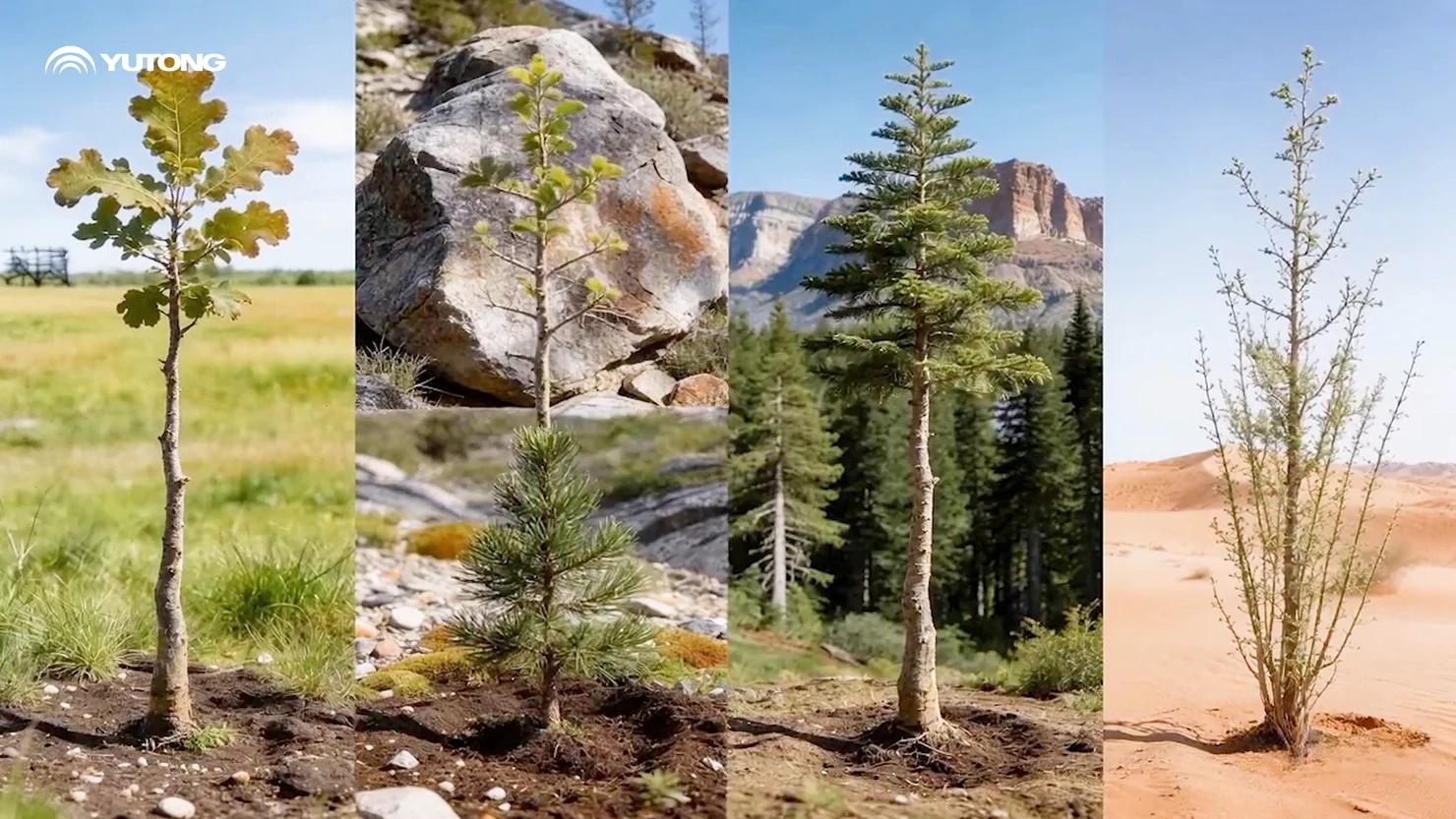
Adhering to the principles of adjusting measures to local conditions and scientific afforestation, Yutong’s “Net Zero Forest” Program selects tree varieties precisely based on climatic and soil conditions in different countries and regions to maximize ecological benefits.
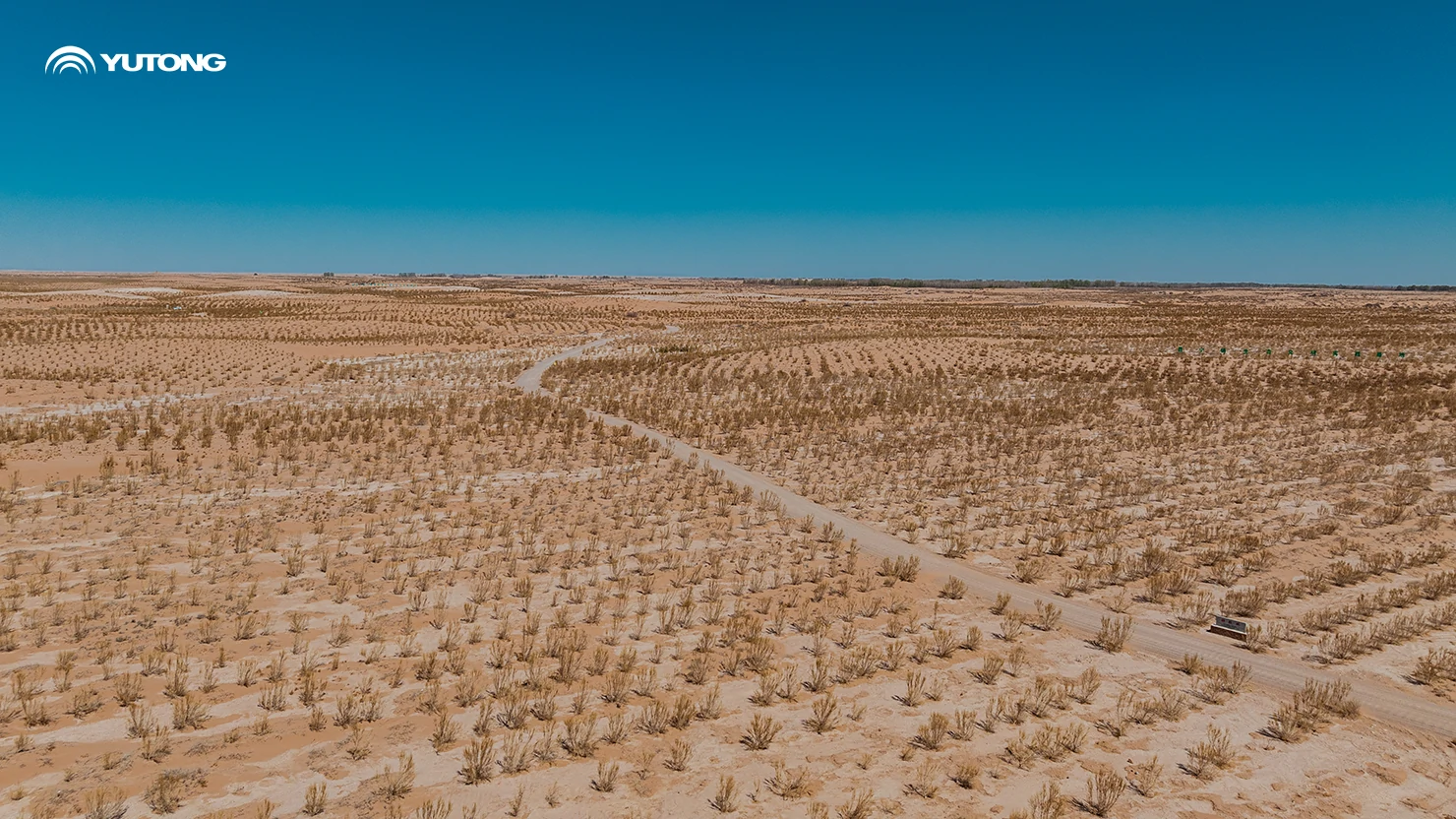
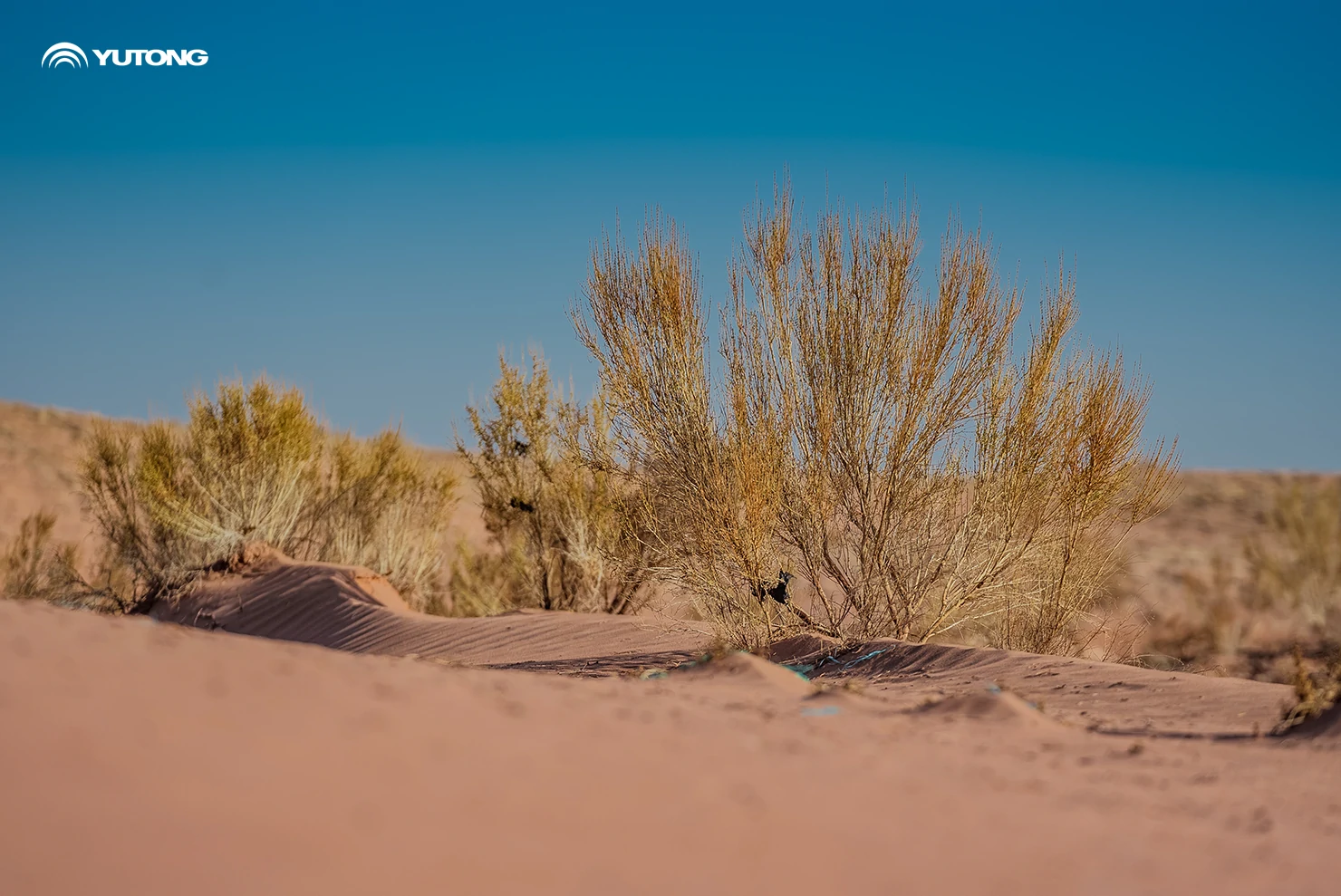
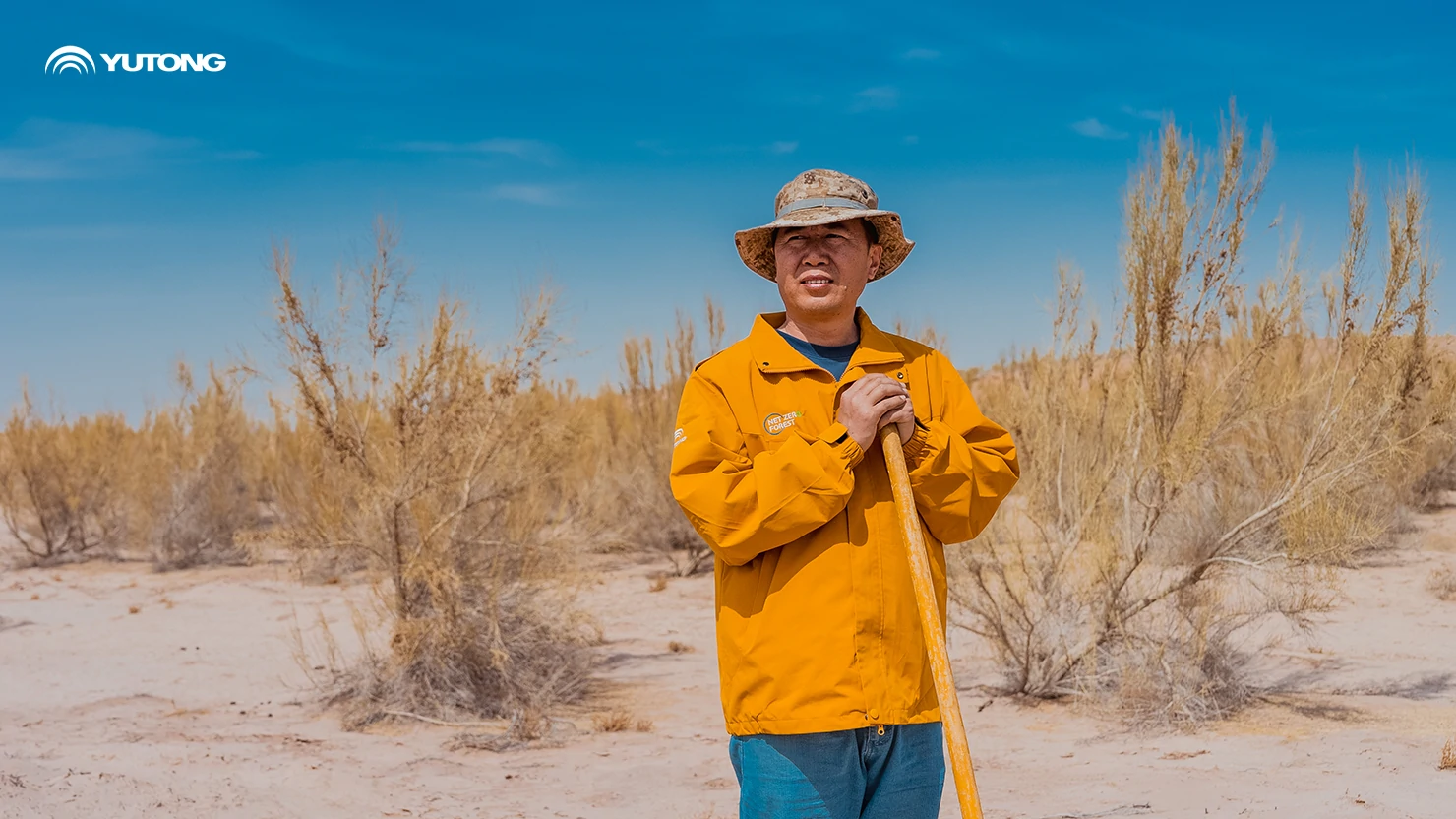
·Minqin, Gansu: Focused on planting saxaul trees, known for their strong drought resistance and sand-fixing capacity, combined with straw checkerboard barriers to help stabilize shifting dunes.
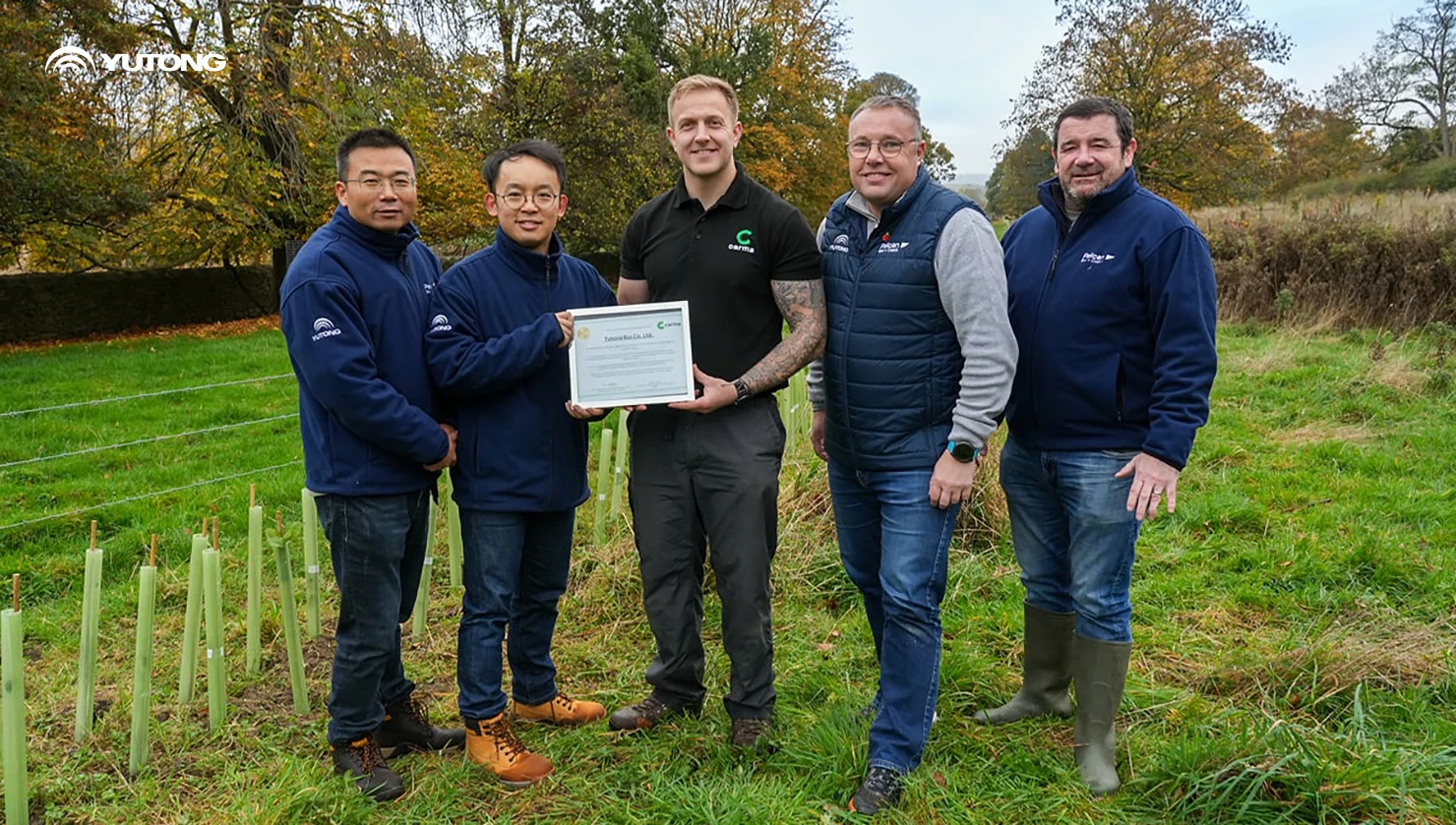
·United Kingdom: 22 species of trees selected, to increase urban green coverage and enhance carbon sink capacity.
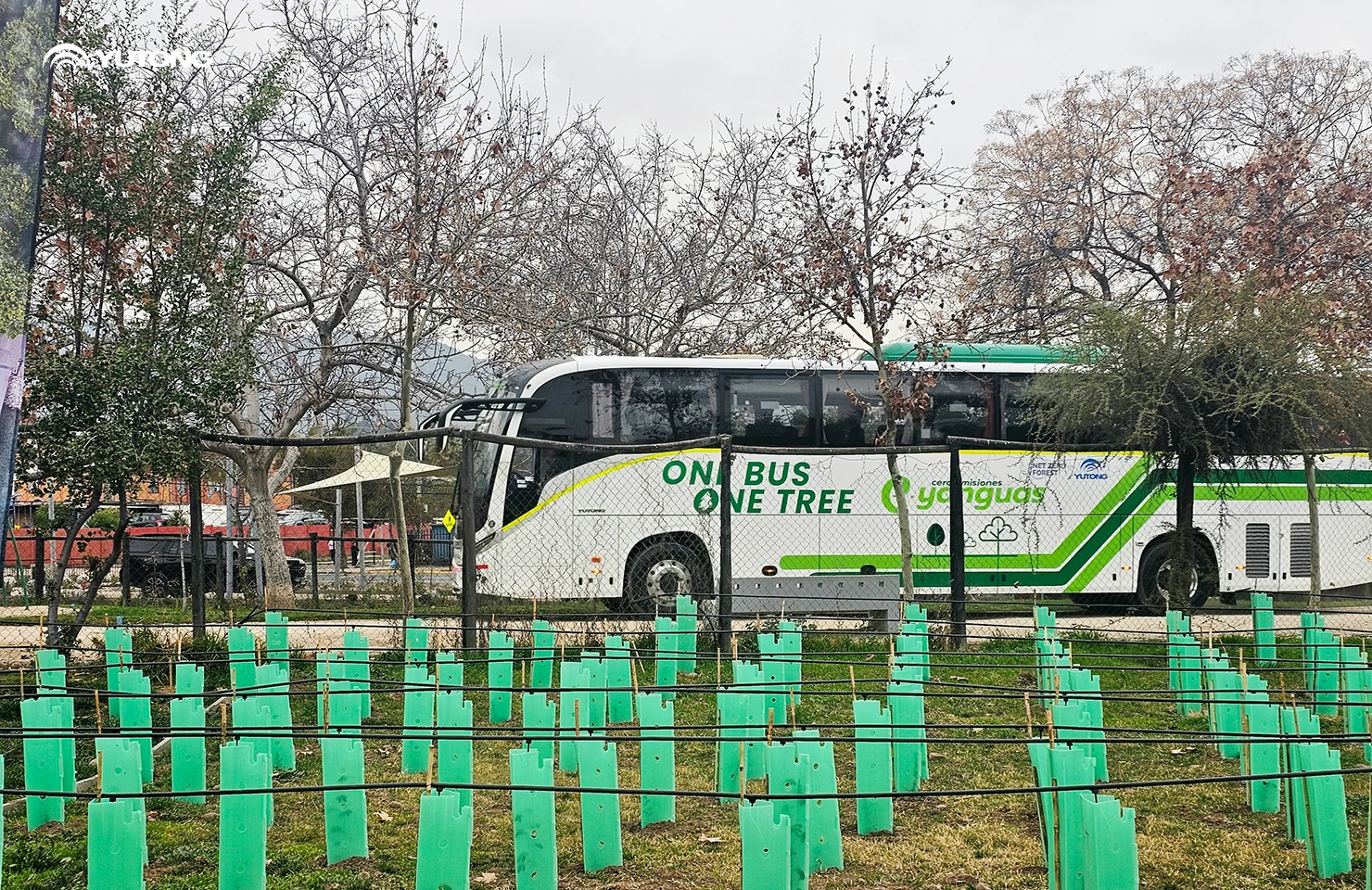
·Chile: Native tree species adapted to Chile’s Mediterranean climate to restore forest ecosystems and enhance biodiversity.
Beyond careful selection of region-adapted tree species, Yutong has partnered with local desert-control institutions to establish standardized postplanting maintenance protocols. According to Ma Junhe, Executive Director of Gansu Qingsuo Public Welfare Development Center, Haloxylon trees in Minqin require 5 to 6 rounds of irrigation within 2 to 3 years after planting, along with rodent control, pest prevention and regular patrols. “For shifting sand dunes, we first lay straw checkerboard sand barriers to create a stable growth environment for Haloxylon trees for 3 to 5 years.”
Advancing ESG Practices and Deepening Global Ecological Action
In April 2026, Yutong published its 2025 Sustainability Report. As part of Yutong’s ESG efforts, the “Net Zero Forest” program works in parallel with green manufacturing and the development of new energy products, helping advance the company’s long-term sustainable development.

Moving forward, Yutong will continue to honour its long-term commitment of “One Bus, One Tree”, launching tree-planting activities across the globe including Mexico and Kazakhstan. By integrating Yutong’s long-term brand philosophy with that of ecological restoration, the company will drive sustainable development of global public transport and ecological environment through consistent actions.
Previous News
-

May 22,2026
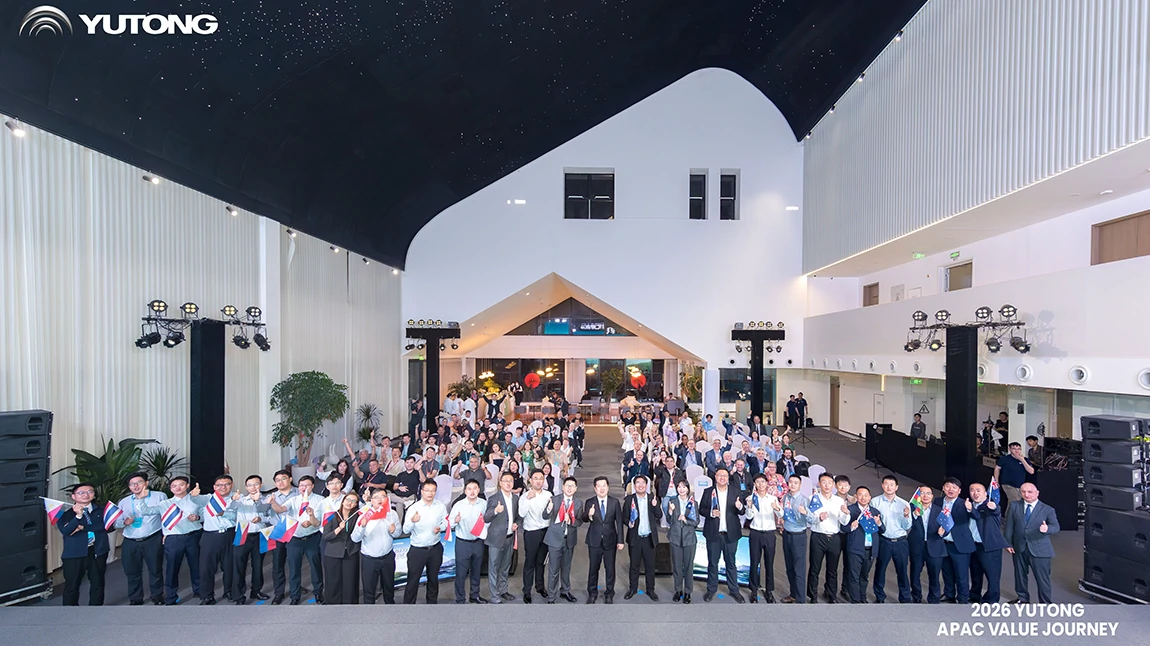
From Value Journey to Mountain Test: Asia-Pacific Customers Experience Yutong’s Smart Manufacturing and Quality -
May 18,2026
Media Voices | Yutong Bus Receives High Recognition from Central Asian Media: Witnessing Yutong Quality from Factory to Market -
May 15,2026
From Intercity to Microcirculation: Yutong Showcases Full-Scenario New Energy Lineup at Next Mobility Exhibition

Subscribe Now
Get updates you care about.
Submit